Why this service matters
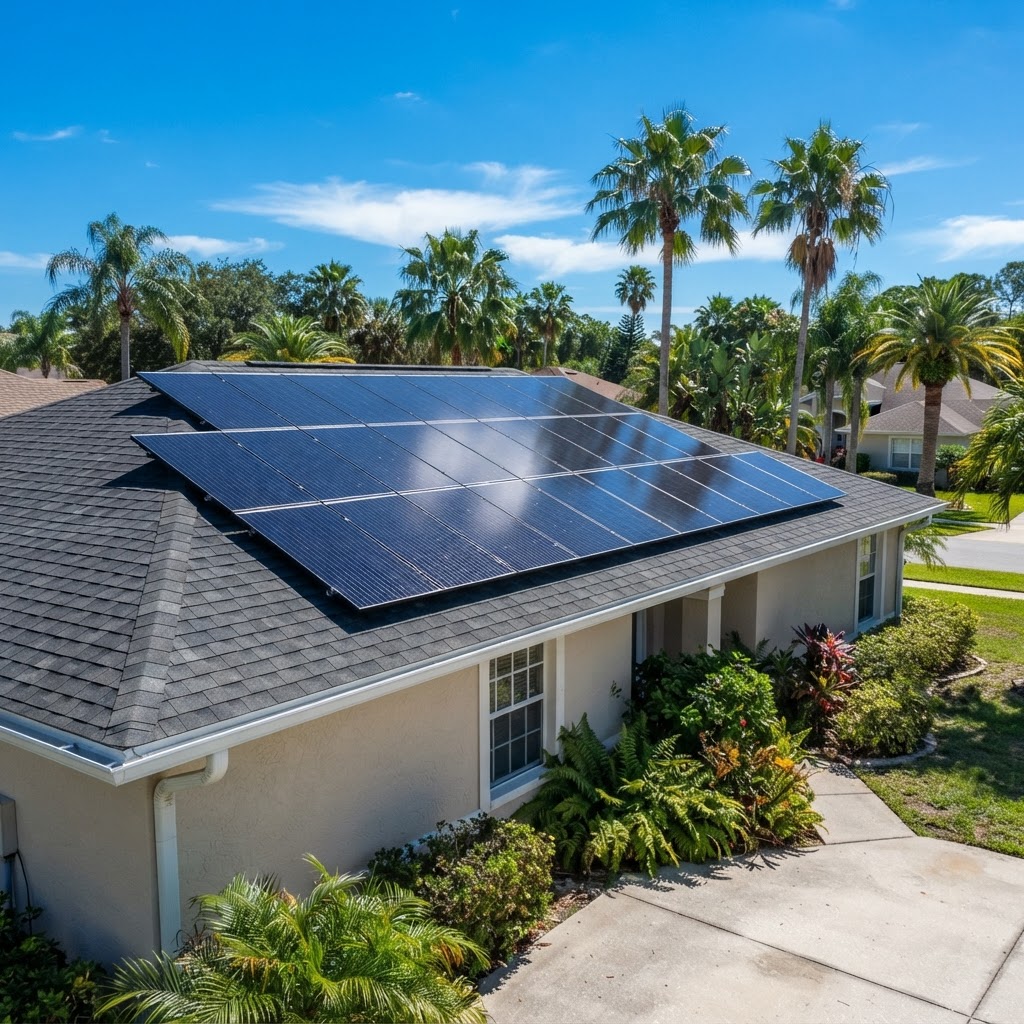
Solar panels need sunlight reaching their cells to generate electricity. Pollen, dust, bird droppings, and leaf residue can reduce that light, with the effect varying by panel angle, rainfall, and local conditions. Cleaning can address soiling, but it should follow the panel manufacturer guidance and respect electrical and roof-access hazards.
What neglect can lead to
Persistent deposits can create uneven shading and make visual inspection harder. Rain may rinse loose dust but may not remove firmly attached residue. Falling output can also come from equipment faults, shading from trees, or seasonal changes, so dirty panels should not automatically be blamed for every performance problem.
How the problem develops over time
Soiling changes how much light reaches solar cells. Loose dust may partly rinse away in rain, while bird droppings or sticky residue can remain concentrated in one area. Panel angle, surrounding trees, weather, and local exposure all affect accumulation. A production dip does not tell you the cause on its own: seasonal sunlight, new shading, an inverter issue, or other equipment changes can produce similar observations. Looking at monitoring trends alongside visible conditions is more useful than assuming every reduction in output can be corrected by a cleaning visit.
The consequences of waiting, and what cleaning cannot fix
Persistent soiling can contribute to avoidable production losses, but the scale varies and no fixed percentage recovery is justified without system-specific evidence. Uneven deposits can create localized shading; what that means for the system depends on its design and condition. Ignoring cracked glass, loose components, or electrical alerts is a different concern from ordinary dirt. Improper cleaning can scratch coatings, leave mineral residue, or expose someone to roof and electrical hazards. Cleaning cannot repair the equipment, and no promise of lower bills, a particular payback period, or restored rated output should replace an actual assessment.
Warning signs and a practical maintenance plan
Review the system monitoring and manufacturer care instructions, then inspect only from a safe location. Note persistent deposits and any visible damage without touching wiring or climbing onto the array. Ask your installer about unusual performance or alerts before attributing them to dirt. Crystal Glow must confirm the manufacturer-compatible method, water quality, tools, and access arrangements before agreeing this additional service. Damaged panels or suspected electrical faults belong with a qualified solar professional. Base a cleaning decision on observable soiling and approved care guidance rather than a blanket claim that every panel needs frequent washing.
What regular care helps prevent
Suitable cleaning helps limit avoidable soiling losses. Non-abrasive tools, approved water quality, and appropriate timing help reduce scratches, mineral residue, and thermal stress. Cleaning cannot repair cracked glass or wiring, and no fixed energy gain or financial saving can be promised without measuring the specific system.
When to schedule service and what to expect
Review system monitoring and visible buildup before deciding on a visit. Ask about manufacturer requirements, safe access, and cleaning restrictions. Avoid pressure washing, abrasive scrubbing, or spraying damaged electrical components. Cracks, loose wiring, or suspected faults require a qualified solar professional rather than routine cleaning.
Service scope and limitations
Process confirmation needed: Crystal Glow will confirm the method, equipment, suitable materials, and exact inclusions for this additional service before work is agreed. No unconfirmed treatment or result is promised. This care guidance is general homeowner information, not an unconfirmed Crystal Glow process or package. For soffits, fascia, and exterior gutter faces, the confirmed house-wash method applies only when those accessible, suitable areas are included in the quote.
Frequently Asked Questions
How often should solar panels be cleaned in the Jacksonville and Nassau County area?
There is no fixed schedule that fits every home, since pollen season, tree cover, rainfall, and panel angle all affect how quickly buildup accumulates. Homeowners in this area often notice heavier pollen deposits in spring and more organic residue after storm season. Checking your system monitoring and doing a visual check from a safe location is a better guide than a set calendar date.
Will cleaning my solar panels definitely lower my energy bill?
Soiling can contribute to production losses, but the amount varies by system and no specific savings figure can be promised without assessing your particular setup. A drop in output can also come from shading, equipment issues, or seasonal sunlight changes, so it is worth reviewing monitoring trends rather than assuming dirt is the only cause. Any cleaning decision should be based on what is actually observed on your roof.
Can salt air or humidity near the coast affect how my panels get dirty?
Coastal areas of Nassau County can be exposed to salt air, and combined with Florida humidity this may play a role in how residue settles and lingers on panel surfaces. Sticky residue or bird droppings can sit in one spot rather than rinsing off evenly with rain. Because accumulation patterns vary by location and exposure, a visual inspection is the most reliable way to judge whether cleaning is warranted.
Is it safe to clean my own solar panels?
Homeowners are generally advised to inspect only from a safe location and avoid climbing onto the array or touching wiring, since roof access and electrical components carry real hazards. Improper cleaning attempts can also scratch coatings or leave mineral residue behind. If you notice cracked glass, loose components, or unusual alerts, those concerns should go to a qualified solar professional rather than a cleaning attempt.
What if my panels look clean but my system's output has still dropped?
A production dip does not by itself point to dirty panels, since equipment faults, new shading from growing trees, or seasonal sunlight changes can produce a similar effect. It's worth reviewing your monitoring data and checking with your installer before assuming a cleaning visit will resolve it. Crystal Glow can help address visible soiling once manufacturer guidance and access details are confirmed, but panel repairs and electrical troubleshooting fall outside that scope.
Ready to make it glow?
Get a Free Custom Quote Today
Ready to book solar panel cleaning? Request a free, no-obligation custom quote tailored to your home's size and condition.